

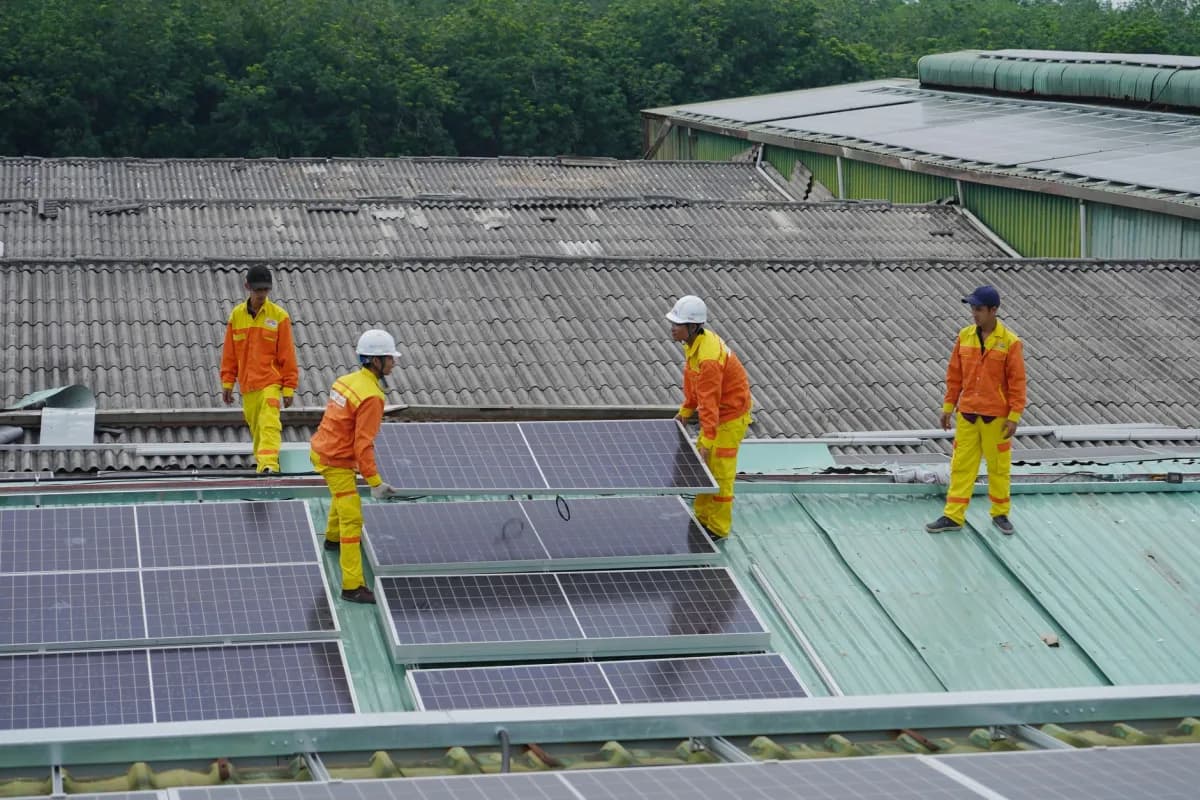
A long sale, decided on numbers the customer cannot check
Websites, quoting and monitoring for solar installers, built around a considered purchase with a payback calculation at the centre of it.
- Sold as
- One contract
- Starts with
- A free review








Solar is sold on arithmetic the buyer cannot verify. Payback period, generation estimate, export rate and the incentive of the month all come from the installer, so the whole sale rests on whether the customer believes the figures, which makes transparency a commercial weapon rather than a virtue.
The sales cycle is long and quote-heavy. Every enquiry needs a roof assessment, a generation estimate and a written proposal, and the installers who convert are the ones whose proposal arrives in days with the customer's own roof in it, not a generic brochure.
The search side is not separate from that. "Solar panels" plus a town, plus cost and payback searches from people months away from buying. Ranking for those means the pages exist, the business is verified where it operates, and the reviews are real and recent.
What we build for solar installation
- A site that shows the arithmeticReal figures, stated assumptions, and what happens if the assumptions are wrong.
- Proposals in daysRoof data and generation estimates into a written proposal, without a week of back and forth.
- Monitoring after handoverThe customer sees what the system generates, which is where referrals come from.
- Local searchRanking for your region, before the enquiry becomes a comparison of three quotes.
How a project moves through a solar installer
A solar sale runs for weeks or months, and each step needs paperwork the customer will read closely.
Early research enquiry
Most enquiries are months from buying, so they are kept and followed up instead of chased once and dropped.
Roof assessment
Proposals stall waiting for roof data, so orientation, shading and size are captured in one visit or from photographs.
Proposal and decision
A generic brochure loses to a proposal with the customer's own roof and figures, built from the assessment the same week.
Install and grid paperwork
Connection forms and handover documents pile up after the install, so they are generated from the job record.
Services that go with it
What usually comes next, once the first piece is running, and why it matters in this trade.
- Business Platforms (Custom CRM & ERP)Solar sales run for months with several contacts each, and a spreadsheet loses track of who is ready to sign.
- System IntegrationGeneration data sits in each inverter's own portal, and pulling it into one customer view makes monitoring usable.
- Online Ads (Google & Meta)Cost and payback searches start long before buying, so ads can keep your proposal in front of serious researchers.
What people in this trade ask us
Should we publish indicative prices?
Can the site estimate generation?
Do customers care about monitoring?
How do we follow up enquiries that are months from buying?
Can customers sign the proposal online?
The infrastructure under it
Managed by the engineers who build the software, on the same contract and the same bill.
Application Hosting
A monitoring portal customers check daily must stay up, because an outage reads as a broken system on their roof.

Backup & Recovery
Installation records and warranties outlast most software, and must be found when a panel fails years later.
Priced and ready to order
A fixed scope and the price on the card. The line on each one is why it matters in this trade.
 One-timeConversion landing pageOne page per offer, for homes or for businesses, measured on booked surveys.from €890one-time
 ScopedCRM setupLeads, surveys, quotes and installs in one pipeline, with a date on every stage.from €1,400on scope
 One-timeExplainer videoA short film on how an installation works, which answers the questions before the survey.from €2,400one-time
What one contract covers
- One contract. The build, the infrastructure and the work that brings people to it, on one invoice.
- A named team. The person on the first call stays on the project. No account managers, no handoffs.
- Operated, not delivered. We keep it running after launch: patching, backups, monitoring and the phone when it breaks.
- European hosting. Servers in Europe, run by us, with the data staying where you expect it to.
- Monthly reporting. What changed, what it cost and what it produced, in language you can forward to a board.
- No lock-in. The code, the domains and the accounts are yours. Leaving is a handover.
See what is costing you customers before you spend anything.
A senior engineer walks your site, your search presence and the way enquiries reach you, then writes down the three things worth fixing first.
- 01You tell us what is not working
- 02We review the site, the search presence and the enquiry path
- 03You get the three fixes worth doing, and what each is worth