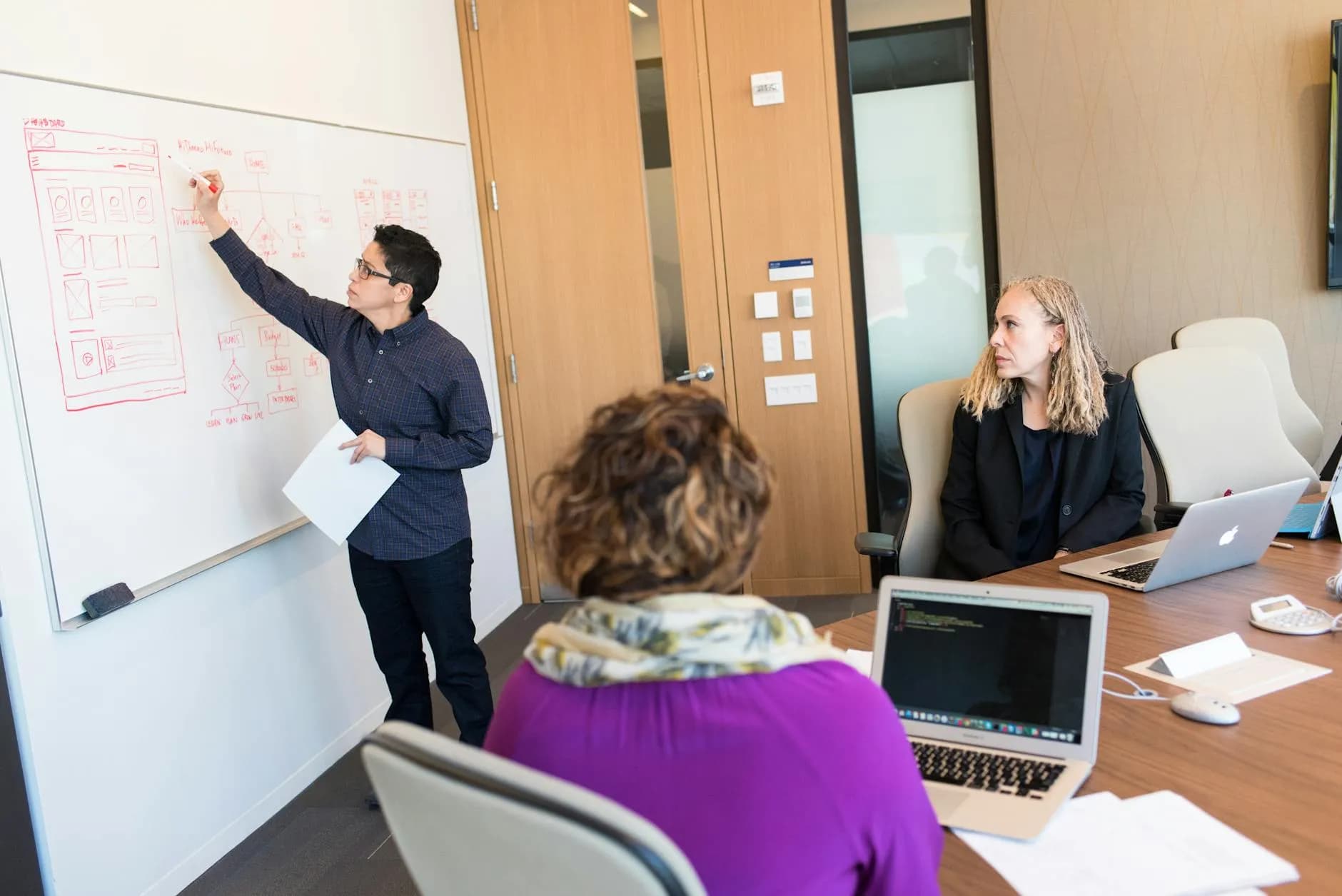
Orders to invoices
Orders typed again into the invoice program, often with small mistakes that take an hour to find.


Automation Audit
Half a day online with your team, then a written list of what is worth automating, and what is not.

What it costs Free
How it runs Online, half a day
What you keep The written document
Building software since 2014
Three steps. No technical words, and nothing to prepare.
Half a day online. You show us how the work gets done today.
We spot the jobs a computer could do for you, and the ones it should not.
What to fix first, what it saves and what it costs. Yours to keep.
Four answers, written down for your business, so the next decision is made on facts instead of on a sales pitch.
Each job we followed, step by step, and the points where it waits or is typed again.
Worked out from your own jobs and how often they happen, never from an industry average.
So every item on the list can be weighed against what it gives back.
The fixes in order, starting with the one that returns the most for the least.
Want this document for your business? The audit is free.
Tick what sounds familiar. Each one is time a computer could give back.
Two or more? The audit will find time worth giving back.
You type the same customer details into two programs.
Orders arrive by email and someone copies them by hand.
Invoices go out late because someone has to make each one.
You chase unpaid bills by phone or email every week.
Putting a report together takes a whole afternoon.
Only one person knows how a job is done, and they are on holiday.
Half a day of your time. Nothing to pay.
Book the audit and we arrange the half day around your team. There is no obligation to buy anything afterwards, from us or anyone else.
An automation audit is a close look at how work really moves through your business, done before anyone sells you software. An engineer spends half a day online with the people who do the work, not only with the managers, and follows a few real jobs from start to finish: an order, an invoice, a booking, whatever your business runs on.
Then we write it down. Where the work waits, what gets typed twice, what each problem costs you in time, and what fixing it would take. Some fixes are business process automation, some are connecting two programs, and some are simply a better way of using what you already pay for.
It is a working document, not a slide deck, and it is yours whether or not we ever work together.
Alex thinks the problem is the booking system. The audit shows the real hours go on copying bookings into invoices and chasing unpaid ones. The fix is smaller than a new system, and the document says so.

Written in plain language for the person who runs the business. No jargon and no sales pitch.
Each job you followed, step by step, including the spreadsheet nobody mentions.
The jobs to automate, the ones to connect, and the ones to leave alone.
Calculated from your own jobs and how often they happen.
So you can weigh every item against what it gives back before deciding anything.
The fixes in order, starting with the one that returns the most for the least.
Shared passwords, single points of failure, missing backups: written down if we see them.
If the audit finds data typed twice, the fix is usually an integration: your shop, accounting and customer list kept in step on their own.
Online payments with automatic reminders and the invoice marked paid in your books. Often the fastest fix an audit turns up.
A European company with a decade of building and running software for businesses. How we work.
The software, the cloud it runs on and its security, from the same people. Nothing falls between two suppliers.
The person on your first call is the person who does the work. No account managers, no handoffs.
Your data stays on European infrastructure we operate ourselves.
It is free, but it still takes half a day of your team's time, so here is when it is worth it.
A good fit
Sounds like your business? Book the half day.
Put in your own numbers. It takes ten seconds.
Time spent on jobs that repeat every week
Move the sliders to your own figures. Nothing is sent anywhere.
Every year, that is
520 hours
about 65 full working days
How much of that could a computer do? Tell us, and we answer in writing.
Because the most expensive automation is the one that automates the wrong job.
| What happens | Audit first | Straight to a build |
|---|---|---|
| What gets built | The job that costs you most, chosen from facts | Whatever was asked for, or whatever the supplier sells |
| What it costs you to find out | Nothing. The audit is free | The price of the build, if it was the wrong one |
| What you hold afterwards | A written document you can take anywhere | A system, and the hope it was the right one |
| If nothing is worth automating | The document says so | You usually find out after paying |
Find out first. It costs nothing.
Free, online, half a day
Pick the jobs that take too long. We follow them with your team and write down what is worth fixing first.


Online, half a day with your team, then the document.
We agree which jobs to follow and who from your team should be there.
You receive: The half day is booked
We follow those jobs with the people who do them, on a video call, screens shared.
You receive: How the work really moves
What to automate, the time each fix saves, what it would cost, in order.
You receive: A document you keep
Walk through it with us, then go ahead, wait, or take it elsewhere.
You receive: No obligation either way
Every business is different, but these four come up again and again.
Orders typed again into the invoice program, often with small mistakes that take an hour to find.
Enquiries from the website, email and phone that never reach one list, so some are never answered.
Weekly figures assembled by hand from three places, when they could arrive on their own.
Supplier lists copied into the shop by hand, so prices and stock are always a little out of date.
Any of these sound familiar? That is usually where the audit starts.
Yes. For half a day you show us how your business really runs, and we treat that like the rest of our work: top-level security, on infrastructure we run ourselves.
Signed before the audit if you want one, so what you show us stays between us.
You share your screen. We never need your passwords to do the audit.
Stored and sent encrypted, and shared only with the people you name.
Our notes from the session are removed on request once the document is delivered.
If we notice a risk while following the work, like shared passwords, it goes in the document.
Every fix in the document says where it would run and who would look after it.
Anything we build afterwards runs on European servers we operate and monitor.
Any fix we build later uses accounts in your name, so you are never locked in.
Half a day, then a document you keep.
No contract, no obligation, and a confidentiality agreement first if you want one.
The IT Audit looks at security, backups, accounts and costs across the business.
The first place we would look, industry by industry.
Your industry is not here? The audit works the same way. Tell us about yours.

The cheapest automation is the one you never buy, because the audit showed it was not worth it.
Contacting us commits you to nothing. This is exactly what happens next.
Or book a call. A few lines about the job that takes too long is enough.
Not a salesperson, and not an automatic email: the person who would do the work.
About how the work runs today and what you want to change. No preparation needed.
What we would build and what it costs, in writing. You decide, with no obligation.
Plain-language guides from our blog, for when you want to read before you talk to anyone.
Every technical word on this page, explained in plain language in our glossary.
The programs we most often find in the businesses we audit, and the platforms we build fixes on.
Brand names and logos belong to their owners. Showing one means we build with it, not that the brand endorses us.
If yours is not here, ask us directly: an engineer answers, not a salesperson.
Still have a question? An engineer answers it on a short call, not a salesperson.
Pick whichever suits you. Every route reaches the same engineers.
Smaller pieces of the same work with a fixed scope, if you already know exactly what you need.
Book the free audit. Half a day with your team, then a document that tells you what is worth doing, and what is not.