

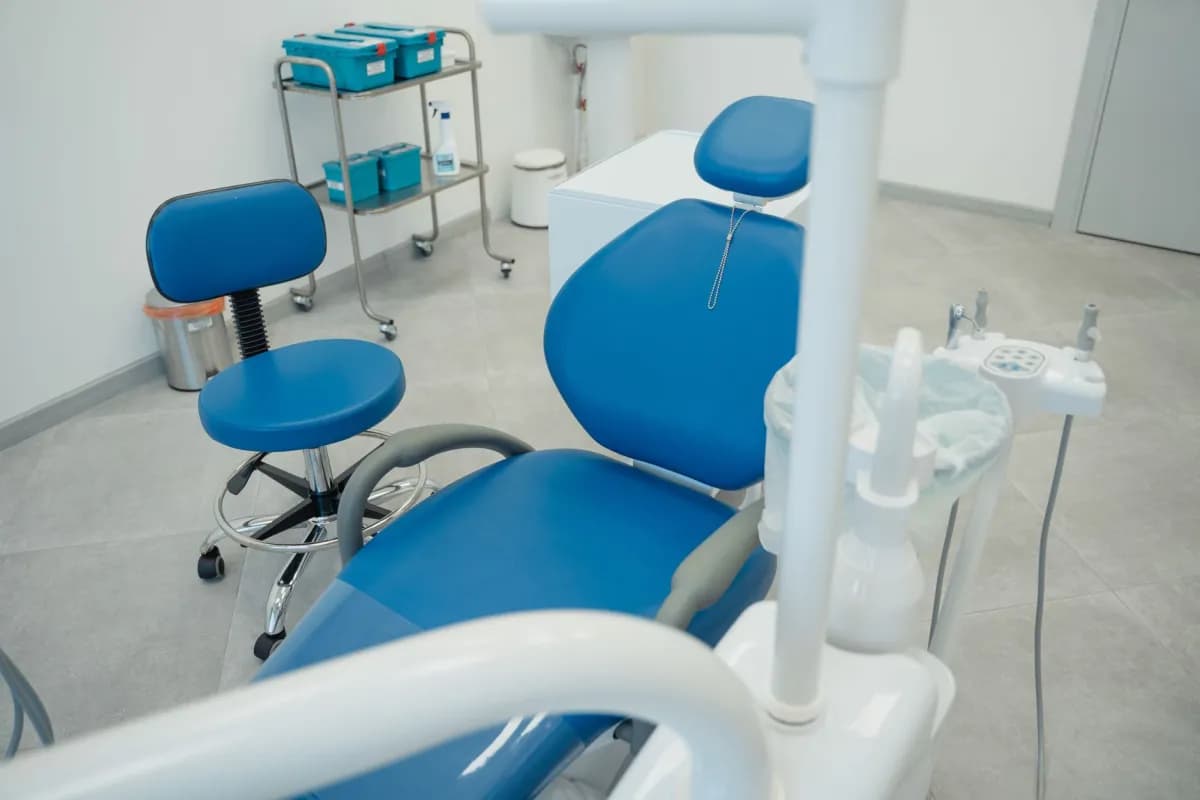
The empty chair is the whole problem
Websites, booking and recall systems for dental practices, built around the two things that decide a practice's revenue: new patient registrations and people who actually come back.
- Sold as
- One contract
- Starts with
- A free review








A dental practice has a fixed capacity and a fixed cost base. Every hour a chair is empty is revenue that cannot be recovered later, which makes no-shows and lapsed recalls far more expensive than they look on a spreadsheet.
Most practices spend on attracting new patients and almost nothing on the recall list they already own. A patient who last attended fourteen months ago is the cheapest appointment in the building and the one nobody chases, because chasing means somebody sitting on a phone.
The search side is not separate from that. "Dentist near me", "emergency dentist" and specific treatment searches like implants or invisible braces, all with a town attached. Ranking for those means the pages exist, the business is verified where it operates, and the reviews are real and recent.
What we build for dental clinics
- A site that fills the diaryOnline booking, real availability, and treatment pages that answer the price question before somebody has to ask it.
- Recalls that run themselvesSix-month reminders and lapsed-patient follow-up sent automatically, which is the cheapest revenue in the practice.
- Fewer no-showsConfirmations and reminders by message, with easy rescheduling, because a moved appointment beats an empty chair.
- Local searchRanking for your town and for the treatments you actually want more of.
How a patient moves through a dental practice
From the first search to the six-month recall, most lost revenue sits between the steps, not inside them.
Booking the first visit
It stalls when the only route is a phone line busy with the morning rush, and it moves when the patient can book a real slot at nine in the evening.
Confirming the appointment
It stalls when nobody confirms and the patient forgets, and it moves when a message the day before lets them confirm or move it with one tap.
Accepting the treatment plan
It stalls when the plan leaves the chair as a verbal estimate, and it moves when the patient goes home with a written plan and a clear way to pay.
Coming back for recall
It stalls when the recall list lives in the software and nobody works it, and it moves when reminders go out on the due date without a receptionist dialling.
Services that go with it
What usually comes next, once the first piece is running, and why it matters in this trade.
- Online Payments SetupImplant and aligner plans are large sums, and a deposit or instalment taken online is what turns a consultation into a start date.
- Online Ads (Google & Meta)Implant and invisible braces patients compare practices for weeks, so paid search for those treatments reaches people already deciding.
- Website MaintenanceA dentist joins, hours change, a price range moves, and the treatment pages are only trusted while they stay accurate.
Software we built for businesses like yours
A product we designed, built and run, shown here as the work we do.
Neodent
Neodent is clinic software we built for dental practices: patient records, appointments, treatment plans and billing in one system.
What people in this trade ask us
Is patient data safe?
Will it connect to our practice software?
Do we have to publish prices?
Can patients pay for larger treatment in instalments?
What should the site say about emergency appointments?
The infrastructure under it
Managed by the engineers who build the software, on the same contract and the same bill.
Backup & Recovery
X-rays, charts and signed consent forms must survive a failed surgery PC, and restoring them cannot wait a week.

Cyber Security
Practice networks with old imaging PCs are an easy way in, and a ransomware lockout empties every chair at once.

Priced and ready to order
A fixed scope and the price on the card. The line on each one is why it matters in this trade.
 MonthlyLocal search setupEach practice on the map with hours and treatments, since new patients choose from the map.from €290per month
 One-timeConversion landing pageA page per treatment campaign, such as implants or aligners, measured on booked consultations.from €890one-time
 ScopedWorkflow automationRecall reminders and pre-visit forms that send themselves instead of relying on reception.from €1,200on scope
What one contract covers
- One contract. The build, the infrastructure and the work that brings people to it, on one invoice.
- A named team. The person on the first call stays on the project. No account managers, no handoffs.
- Operated, not delivered. We keep it running after launch: patching, backups, monitoring and the phone when it breaks.
- European hosting. Servers in Europe, run by us, with the data staying where you expect it to.
- Monthly reporting. What changed, what it cost and what it produced, in language you can forward to a board.
- No lock-in. The code, the domains and the accounts are yours. Leaving is a handover.
What keeps it running
See what is costing you customers before you spend anything.
A senior engineer walks your site, your search presence and the way enquiries reach you, then writes down the three things worth fixing first.
- 01You tell us what is not working
- 02We review the site, the search presence and the enquiry path
- 03You get the three fixes worth doing, and what each is worth