

Covers, not clicks
Websites, booking and ordering for restaurants, built around filling tables on the nights that are not full.
- Sold as
- One contract
- Starts with
- A free review








A restaurant's website has three jobs and usually does none of them: show the real menu, take a booking, and be correct about opening hours. Menus published as a PDF that will not open on a phone are still, somehow, the most common failure in the trade.
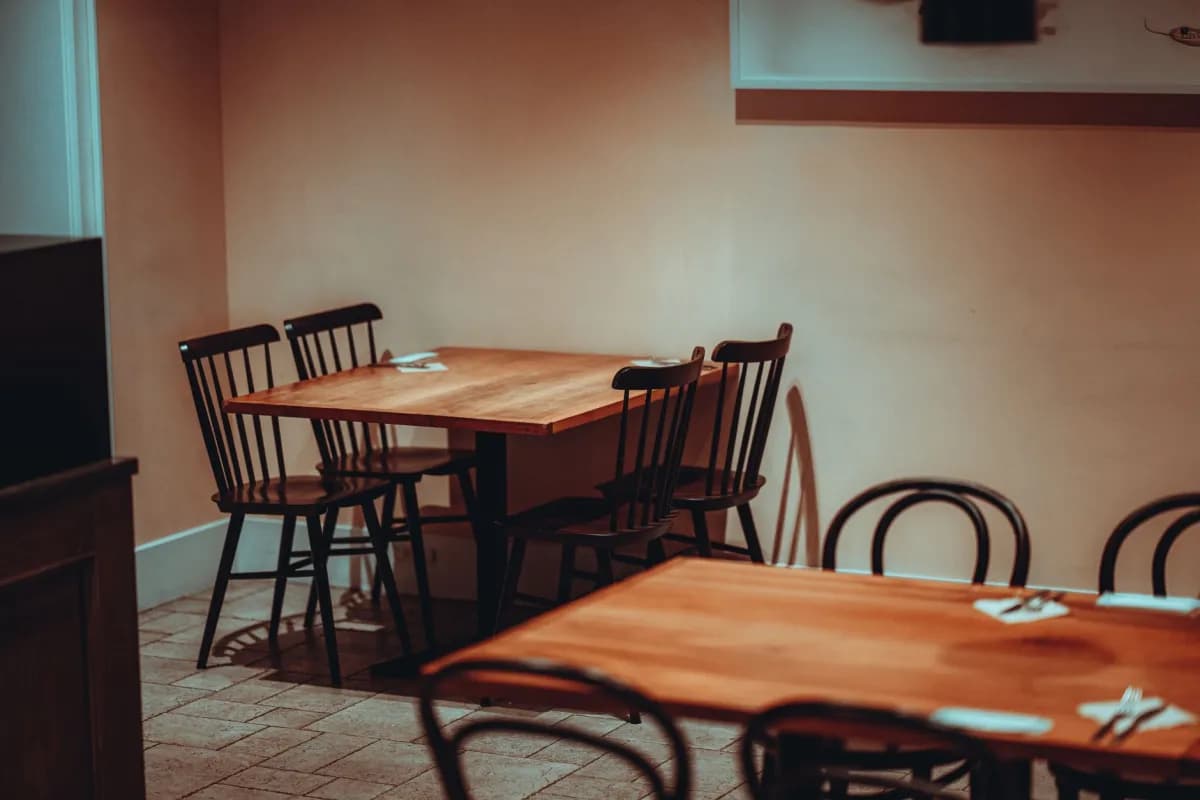
The commercial problem underneath is that Friday fills itself and Tuesday does not. Every marketplace and delivery platform will happily sell you Friday covers at a commission; nobody helps with Tuesday, and Tuesday is where the margin is lost.
The search side is not separate from that. "Restaurants near me", cuisine plus a neighbourhood, and "open now", almost entirely on a phone within an hour of eating. Ranking for those means the pages exist, the business is verified where it operates, and the reviews are real and recent.
What we build for restaurants
- A menu that opensReal text on the page, not a PDF, so it loads instantly and can be found by a search.
- Booking without commissionYour own reservations, on your own site, for the guests who already know you.
- Filling the quiet nightsA list you own, and a reason to message it on a Monday afternoon.
- Local searchHours, photographs and reviews correct in the places people actually check.
How a booking moves through a restaurant
A table is won on a phone in the afternoon and lost if anything between the booking and the bill goes missing.
Booking taken
Phone bookings during service go unanswered, so online booking keeps taking them while the floor is busy.
Reminder before the night
No-shows leave tables empty on full nights, so a reminder the day before lets guests cancel and the table be resold.
Service
Allergies noted on the booking never reach the kitchen, so dietary notes travel with the booking onto the ticket.
After the meal
Guests leave and are never heard from again, so the booking becomes a contact you can message with permission.
Services that go with it
What usually comes next, once the first piece is running, and why it matters in this trade.
- Online Payments SetupDeposits on large tables and peak nights, so a no-show on a Saturday is paid for.
- Online Shop (E-commerce)Takeaway and collection ordered on your own site, without the delivery platform commission on regulars.
- System IntegrationOnline orders and bookings reach the till and the kitchen printer, so nobody retypes them mid-service.
Software we built for businesses like yours
A product we are building now, shown here as the work we do.
HoReCa POS (in development)
HoReCa POS, our till and back office for restaurants, is in development and is built to keep selling through internet and printer outages.
What people in this trade ask us
Why not just use a booking platform?
Is a PDF menu really a problem?
How do we fill a Tuesday?
Should we take deposits for bookings?
Can online orders go straight to the kitchen?
The infrastructure under it
Managed by the engineers who build the software, on the same contract and the same bill.
Application Hosting
Booking and ordering peak in the same two hours every evening, and an outage then empties the book.

Cyber Security
Card payments and guest contact lists are what attackers look for in a restaurant's systems.
Priced and ready to order
A fixed scope and the price on the card. The line on each one is why it matters in this trade.
 MonthlyLocal search setupThe map listing with the menu, hours and photos correct, which is where most diners choose.from €290per month
 One-timeSocial ads creativeNew menus and events advertised in variations, so the dish that fills tables leads.from €690one-time
 MonthlyShort-form video editingKitchen and dining-room footage cut into the week's short clips.from €590per month
What one contract covers
- One contract. The build, the infrastructure and the work that brings people to it, on one invoice.
- A named team. The person on the first call stays on the project. No account managers, no handoffs.
- Operated, not delivered. We keep it running after launch: patching, backups, monitoring and the phone when it breaks.
- European hosting. Servers in Europe, run by us, with the data staying where you expect it to.
- Monthly reporting. What changed, what it cost and what it produced, in language you can forward to a board.
- No lock-in. The code, the domains and the accounts are yours. Leaving is a handover.
See what is costing you customers before you spend anything.
A senior engineer walks your site, your search presence and the way enquiries reach you, then writes down the three things worth fixing first.
- 01You tell us what is not working
- 02We review the site, the search presence and the enquiry path
- 03You get the three fixes worth doing, and what each is worth