

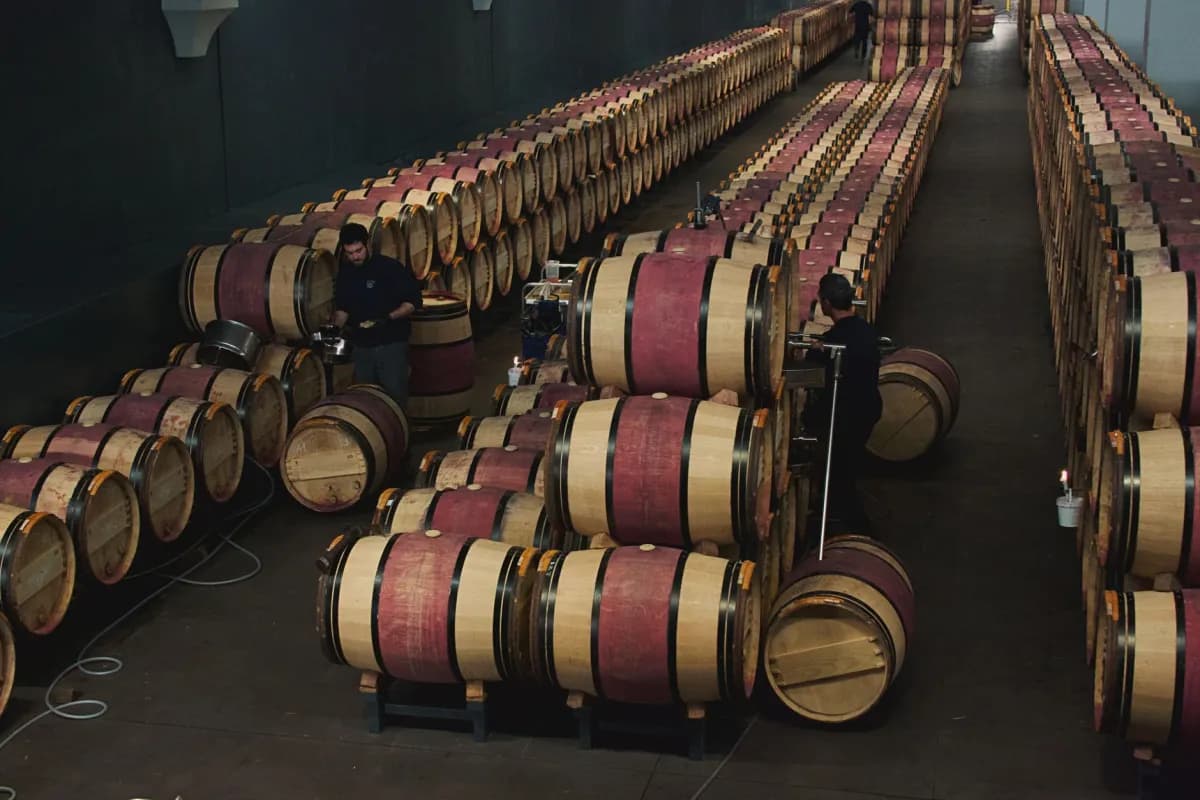
Three businesses sharing one cellar
Websites, direct sales and visit booking for wine producers, built around trade, direct and tourism at once.
- Sold as
- One contract
- Starts with
- A free review








A winery sells to distributors, to visitors and directly to consumers, and the three want entirely different things. A distributor wants technical sheets and volumes, a visitor wants opening hours and a booking, a consumer wants a case delivered. Most winery sites choose one and lose the other two.
Direct sales carry the best margin and the most operational friction: shipping wine has weight, breakage and jurisdiction problems that ordinary retail does not, and getting that wrong is expensive in a way a normal shop never experiences.
The search side is not separate from that. Region and grape searches from consumers, winery visit and tasting searches from tourists, and supplier searches from trade buyers. Ranking for those means the pages exist, the business is verified where it operates, and the reviews are real and recent.
What we build for wineries & wine producers
- A site built for the buyerWhat you do, for whom, with proof rather than adjectives.
- Ordering onlineTrade and retail buyers ordering without an email or a phone call.
- Visits and tastings bookedReal availability, deposits taken, so a group that books actually turns up.
- Local searchRanking in every place you actually serve, with a verified profile and recent reviews.
How an order moves through a winery
Trade, club and cellar door orders all draw on the same limited stock, and that is where wineries oversell.
Order or booking
Trade, club and visitor orders arrive through different channels, so they land in one order list.
Allocation
Allocating a small vintage by spreadsheet oversells it, so stock is reserved the moment an order is placed.
Packing and shipping
Shipping rules differ by destination, so checkout refuses addresses you cannot send wine to.
Club and reorder
Club shipments are assembled by hand each release, so members are charged and packed in one run.
Services that go with it
What usually comes next, once the first piece is running, and why it matters in this trade.
- Online Payments SetupClub memberships charged on schedule and cellar door sales taken by card, without spreadsheets of who has paid.
- Google Ranking (SEO)Consumers search region and grape long before they know your name, and those pages are where they find you.
- System IntegrationCellar door till, online shop and trade orders share one stock count for each vintage.
What people in this trade ask us
Can we sell directly?
Do trade buyers use the site?
Are tastings worth booking online?
Can we run a wine club with recurring payments?
Can visitors buy at the cellar door and have it shipped?
The infrastructure under it
Managed by the engineers who build the software, on the same contract and the same bill.
Application Hosting
The shop and tasting bookings peak around releases and holidays, exactly when you are busiest in the cellar.

Backup & Recovery
Stock movements and order records for each vintage must survive a failed server or a wrong click.

Priced and ready to order
A fixed scope and the price on the card. The line on each one is why it matters in this trade.
 One-timeContent localisationThe site in the languages of your export markets, adapted to how each one buys wine.from €590one-time
 One-timeBrand kitLabels, site and tasting-room signage in one consistent identity.from €1,200one-time
 One-timeProduct description writingTasting notes written per wine, for your shop and for retailers.from €450one-time
What one contract covers
- One contract. The build, the infrastructure and the work that brings people to it, on one invoice.
- A named team. The person on the first call stays on the project. No account managers, no handoffs.
- Operated, not delivered. We keep it running after launch: patching, backups, monitoring and the phone when it breaks.
- European hosting. Servers in Europe, run by us, with the data staying where you expect it to.
- Monthly reporting. What changed, what it cost and what it produced, in language you can forward to a board.
- No lock-in. The code, the domains and the accounts are yours. Leaving is a handover.
See what is costing you customers before you spend anything.
A senior engineer walks your site, your search presence and the way enquiries reach you, then writes down the three things worth fixing first.
- 01You tell us what is not working
- 02We review the site, the search presence and the enquiry path
- 03You get the three fixes worth doing, and what each is worth