

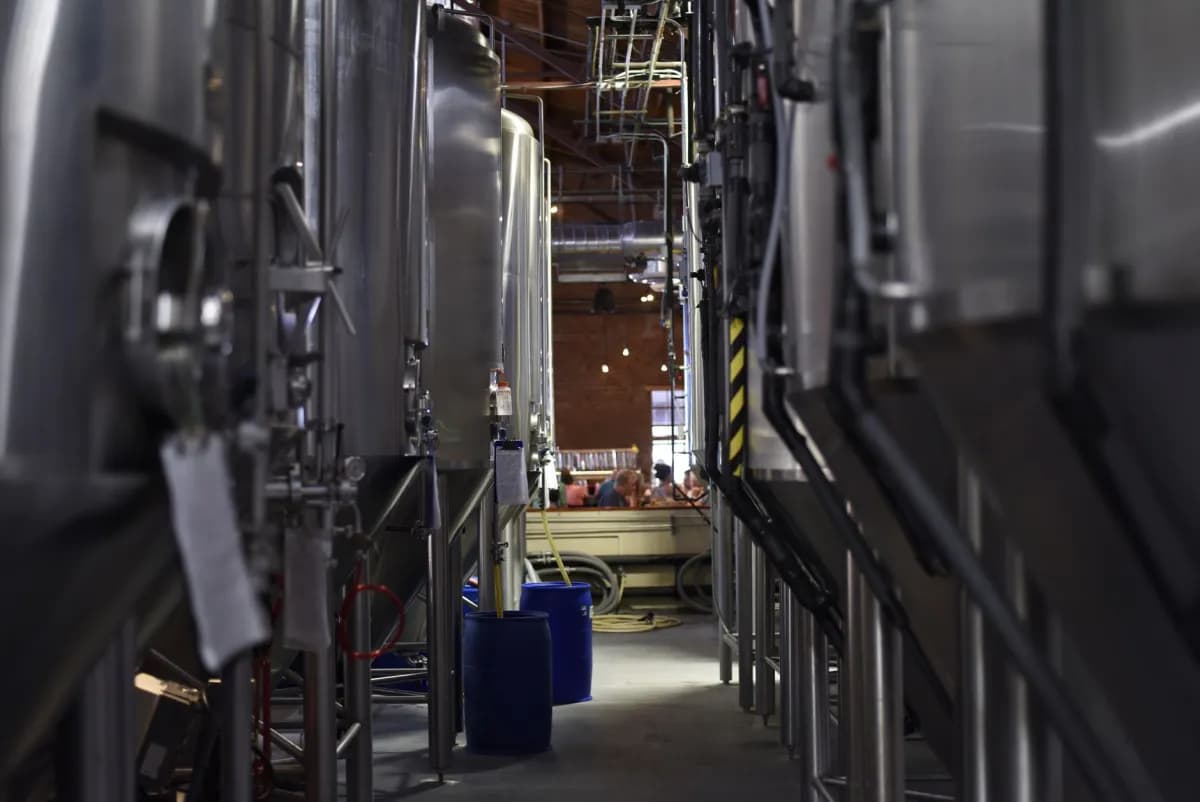
Taproom, trade and direct, all from one building
Websites, ordering and event systems for breweries, built around a business that sells three ways at once.
- Sold as
- One contract
- Starts with
- A free review







A brewery is a production business, a wholesale business and often a hospitality venue, and each of those has a different customer arriving with a different question. What is on tap today, what is the trade price per keg, and can I book the taproom on Saturday are three questions one page cannot answer well.
The thing that changes constantly is what is available. Beer lists move weekly, and a site showing a beer that ran out three weeks ago is the most common and most damaging error in the trade.
The search side is not separate from that. Brewery and taproom searches with a city, beer style searches from enthusiasts, and trade supply searches from bars. Ranking for those means the pages exist, the business is verified where it operates, and the reviews are real and recent.
What we build for breweries
- What is on nowA list that is actually current, because a stale beer list is the fastest way to disappoint a visitor.
- Ordering onlineTrade and retail buyers ordering without an email or a phone call.
- Taproom and eventsBookings and private hire handled online rather than through messages.
- Local searchRanking in every place you actually serve, with a verified profile and recent reviews.
How a trade order moves through a brewery
Trade orders are small, frequent and urgent, and every one starts with a bar asking what is available.
Bar places an order
Orders arrive by text from bar managers late at night, so trade accounts order from the current list.
Brew plan and stock
What is in the tanks and what has been sold do not match, so finished stock moves from the brew plan onto the list.
Kegs out and back
Kegs go out and do not come back, so each one is tracked to the account holding it.
Invoice
Deliveries invoiced at the end of the week get paid late, so dispatch raises the invoice on the day.
Services that go with it
What usually comes next, once the first piece is running, and why it matters in this trade.
- System IntegrationTrade orders, stock and accounting connected, so a keg sold is a keg invoiced without retyping.
- Online Payments SetupTour and event tickets paid at booking, so the taproom is not half empty on a sold-out night.
- Mobile Apps (iOS & Android)Drivers log keg drops and collections on a phone, which is how kegs stop disappearing into the trade.
Software we built for businesses like yours
A product we are building now, shown here as the work we do.
HoReCa POS (in development)
For a brewery with a taproom, HoReCa POS, our till for bars, is in development and is built to keep selling through outages.
What people in this trade ask us
How do we keep the beer list current?
Should trade prices be visible?
Is direct shipping worth it?
Can the taproom screen use the same beer list as the site?
Can we sell tickets for tours and events?
The infrastructure under it
Managed by the engineers who build the software, on the same contract and the same bill.
Application Hosting
Bars order for the weekend in the same few hours, and the trade portal has to take them all.

Backup & Recovery
Production, stock and keg records are what you rely on when a duty or stock figure is questioned.

Priced and ready to order
A fixed scope and the price on the card. The line on each one is why it matters in this trade.
 One-timeSocial ads creativeNew releases and taproom events advertised in variations.from €690one-time
 One-timeBrand kitA system that holds across cans, tap handles, merchandise and the site.from €1,200one-time
 MonthlyShort-form video editingBrewhouse and taproom footage cut into short clips.from €590per month
What one contract covers
- One contract. The build, the infrastructure and the work that brings people to it, on one invoice.
- A named team. The person on the first call stays on the project. No account managers, no handoffs.
- Operated, not delivered. We keep it running after launch: patching, backups, monitoring and the phone when it breaks.
- European hosting. Servers in Europe, run by us, with the data staying where you expect it to.
- Monthly reporting. What changed, what it cost and what it produced, in language you can forward to a board.
- No lock-in. The code, the domains and the accounts are yours. Leaving is a handover.
See what is costing you customers before you spend anything.
A senior engineer walks your site, your search presence and the way enquiries reach you, then writes down the three things worth fixing first.
- 01You tell us what is not working
- 02We review the site, the search presence and the enquiry path
- 03You get the three fixes worth doing, and what each is worth