

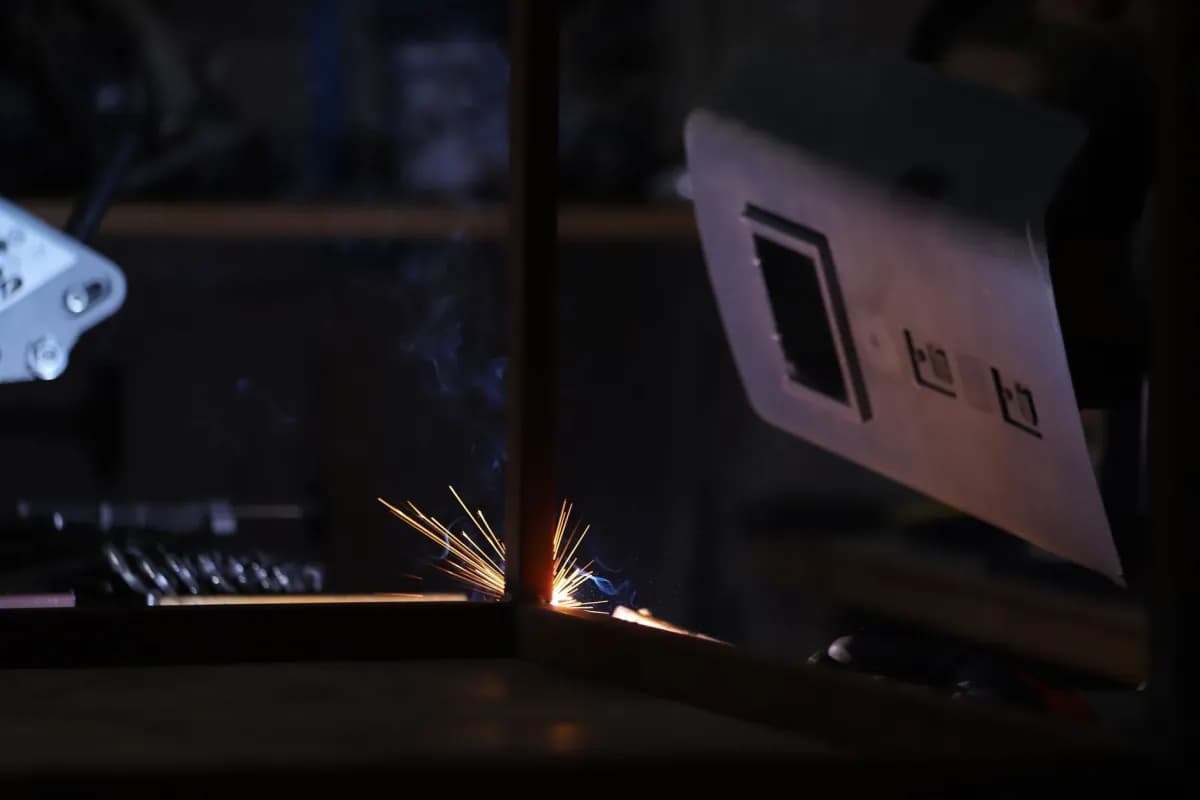
The drawing arrives, and then everything waits
Websites and quoting systems for fabricators, built around technical enquiries that arrive incomplete.
- Sold as
- One contract
- Starts with
- A free review








Fabrication enquiries arrive as a drawing and a hope. Material, tolerance, finish, quantity and delivery are frequently missing, so quoting begins with a conversation and the customer meanwhile asks two other shops the same question.
The buyer is technical and is evaluating capability before contacting anyone: what you can cut, weld, bend and finish, to what tolerance, with which certifications. A site that does not state those specifics is not in the consideration set at all.
The search side is not separate from that. Process and material searches such as sheet metal fabrication or stainless steel welding, with a region attached. Ranking for those means the pages exist, the business is verified where it operates, and the reviews are real and recent.
What we build for metalwork & fabrication
- Capability stated in specificsProcesses, materials, sizes, tolerances and certifications, which is the entire buying criterion.
- Enquiries that arrive completeDrawings, materials and quantities in one structured request rather than an email.
- Job visibilityWhere work is on the floor, without walking out to look.
- Connected to productionOrders and stock in step rather than retyped.
How a job moves through a fabrication shop
The cutting and welding are planned; the waiting before and after them is not.
Drawing and enquiry
It stalls when a drawing arrives with no material or quantity, and it moves when the request asks for both up front.
Quote sent
It stalls when the estimator is also on the floor, and it moves when complete requests queue for pricing in one place.
Cut, weld, finish
It stalls when work waits between operations and nobody notices, and it moves when each stage is booked off as it finishes.
Delivered and invoiced
It stalls when material certificates are hunted down at despatch, and it moves when they are attached to the job from the start.
Services that go with it
What usually comes next, once the first piece is running, and why it matters in this trade.
- Google Ranking (SEO)Buyers search by process and material, such as laser cutting stainless, and a page per capability is how they find you.
- IT AuditMachine controllers, nesting software and office PCs often share a network nobody has looked at in years.
- Website MaintenanceA new machine or certification changes what you can quote, and the site should say so the same month.
What people in this trade ask us
Do technical buyers search?
Can quoting be sped up without risk?
Should we publish tolerances?
Can we send material certificates with each delivery?
Should we show past projects?
The infrastructure under it
Managed by the engineers who build the software, on the same contract and the same bill.
Backup & Recovery
Drawings, nesting programs and weld procedures are what repeat orders are built from, and redrawing them costs days.

Cloud Servers
Customers send large drawing files, and a secure upload beats a dozen attachments bouncing off a mail server.

Priced and ready to order
A fixed scope and the price on the card. The line on each one is why it matters in this trade.
 ScopedBusiness website buildA page per process and material, with tolerances and capacities stated.from €2,400on scope
 One-timeKeyword and content strategyWhat engineers search when sourcing parts, turned into the pages worth writing.from €590one-time
 ScopedCRM setupQuotes and repeat orders tracked in one pipeline.from €1,400on scope
What one contract covers
- One contract. The build, the infrastructure and the work that brings people to it, on one invoice.
- A named team. The person on the first call stays on the project. No account managers, no handoffs.
- Operated, not delivered. We keep it running after launch: patching, backups, monitoring and the phone when it breaks.
- European hosting. Servers in Europe, run by us, with the data staying where you expect it to.
- Monthly reporting. What changed, what it cost and what it produced, in language you can forward to a board.
- No lock-in. The code, the domains and the accounts are yours. Leaving is a handover.
See what is costing you customers before you spend anything.
A senior engineer walks your site, your search presence and the way enquiries reach you, then writes down the three things worth fixing first.
- 01You tell us what is not working
- 02We review the site, the search presence and the enquiry path
- 03You get the three fixes worth doing, and what each is worth