
Sites de uma página vs. múltiplas páginas: qual converte melhor?
Seu site deve ser uma experiência elegante de uma página ou um site rico em conteúdo com múltiplas páginas? Comparamos taxas de conversão, impacto no SEO e comportamento dos usuários.
Equipe de Marketing · 12 de março de 2026
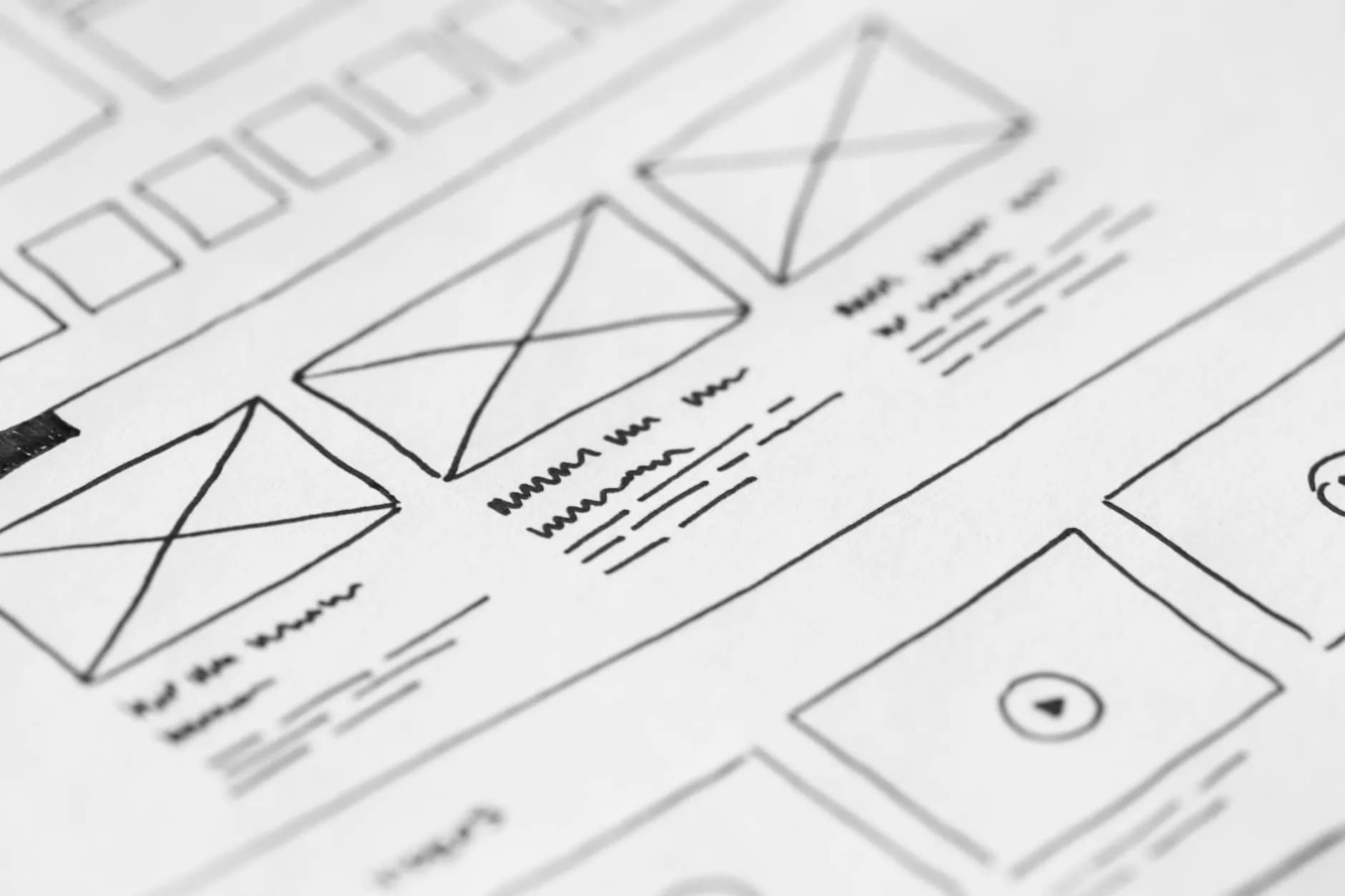
Foto de Alvaro Reyes · Pexels
Understanding the Difference
A single-page website loads all of its content on one HTML document and uses smooth scrolling or JavaScript-driven section transitions to move the user through the experience. There is no traditional navigation that jumps between separate URLs — instead, the user scrolls or clicks anchor links that animate to different sections of the same page. Portfolio sites, event landing pages, app marketing sites, and restaurants frequently use this format because their content fits naturally into a linear narrative.
A multi-page website distributes content across multiple distinct URLs, each with its own HTML document, metadata, and navigation context. A services page, an about page, a blog, a contact page, and individual product or case study pages all live at separate addresses. This architecture is the default for most businesses because it allows each page to target a specific topic, audience, or keyword while providing the structural depth that search engines and users expect from established organizations.
The distinction matters because it directly affects three things business owners care about: search engine visibility, conversion rates, and long-term scalability. Choosing the wrong architecture for your business model can cap your organic traffic, fragment your user experience, or create a maintenance burden that grows with every new piece of content. The right choice depends on your goals, your content volume, and how your customers discover and evaluate you.
When Single-Page Wins
Single-page websites excel when you have a focused message and a single conversion goal. A SaaS product launching a new feature, a freelancer showcasing their portfolio, or a conference promoting an upcoming event all benefit from the linear storytelling that a single page enables. The user lands at the top, scrolls through a carefully sequenced narrative, problem, solution, social proof, pricing, call to action, and arrives at the conversion point without distraction. There are no navigation choices to deliberate over, no sidebars to pull attention away, and no risk of the user getting lost in a multi-page maze.
Conversion data supports this advantage in specific contexts. Unbounce’s 2024 Conversion Benchmark Report found that single-page landing pages outperform multi-page funnels by 13% for lead generation campaigns and by 8% for webinar registrations. The reduced cognitive load of staying on one page, combined with the momentum of scrolling through a narrative, keeps users engaged longer and reduces drop-off between sections.
From a development perspective, single-page sites are faster and cheaper to build, test, and maintain. There are fewer templates, fewer navigation states, and fewer pages to keep in sync. For a small business or solopreneur operating on a tight budget, a well-designed single-page site can deliver 90% of the value of a multi-page site at a fraction of the cost and timeline.
When Multi-Page Wins
Multi-page websites win decisively when your business needs to rank for multiple keywords, serve different audience segments, or publish content regularly. Each page on a multi-page site is a distinct entry point from search engines, social media, or referral links. A law firm, for example, needs separate pages for each practice area, personal injury, family law, estate planning, because each page targets different search queries and serves a different prospective client. Cramming all of that onto a single page would dilute the keyword targeting and overwhelm the visitor.
Content-heavy businesses like media companies, e-commerce stores, agencies, and SaaS platforms with extensive documentation require multi-page architectures by necessity. A blog with two hundred articles, a product catalog with fifty items, or a knowledge base with three hundred help articles cannot exist on a single page without catastrophic performance degradation and an unusable navigation experience.
Multi-page sites also support more sophisticated website design patterns like progressive disclosure, segmented user journeys, and personalized landing pages. You can send paid traffic to a targeted landing page, organic visitors to information-rich content pages, and returning customers to a streamlined dashboard or reorder flow. This flexibility is impossible with a single-page architecture.
SEO Implications
This is where the single-page versus multi-page debate gets most decisive. Search engine optimization fundamentally favors multi-page architectures because Google indexes individual URLs, not sections of a page. A single-page site has one URL, one title tag, one meta description, and one canonical target. It can realistically rank for only one or two primary keywords. A multi-page site with fifty pages has fifty opportunities to rank, each targeting a different search intent with tailored content, metadata, and internal linking.
The on-page SEO implications extend beyond keyword targeting. Internal linking, the practice of linking between your own pages to distribute authority and guide crawlers, is impossible on a single-page site because there are no separate pages to link to. Anchor links within a single page do not carry the same SEO weight as traditional hyperlinks between distinct URLs. This means a single-page site cannot build the topical authority structure that Google uses to determine expertise on a subject.
There are technical workarounds, like using JavaScript frameworks that render distinct sections as pseudo-pages with unique URLs via the History API. However, these approaches add complexity, require careful implementation to ensure proper indexing, and still do not match the SEO performance of genuinely separate pages with their own server-rendered HTML. If organic search traffic is a meaningful part of your growth strategy, a multi-page architecture is not optional, it is required.
Conversion Rate Data
Conversion rate comparisons between single-page and multi-page sites are not as straightforward as marketers often claim because the optimal architecture depends entirely on the conversion action. For top-of-funnel actions like email signups, free trial starts, and event registrations, single-page designs consistently outperform. HubSpot’s 2025 marketing data shows that single-page landing pages convert at 3.1% on average, compared to 2.4% for multi-page sites when the goal is a single, clearly defined action.
For complex purchases, consultations, and high-consideration decisions, multi-page sites convert better because they provide the depth of information that buyers need to build confidence. A B2B software company selling a $50,000 annual contract needs case studies, technical documentation, pricing comparisons, and security certifications spread across multiple pages. Trying to compress that into a single scrollable page either overwhelms the visitor with information or omits critical details that would have closed the deal.
The most effective approach for many businesses is a hybrid: a multi-page site for organic discovery, brand building, and content marketing, with single-page landing pages for specific campaigns and conversion funnels. The landing pages handle the focused conversion job while the broader site handles everything else. This is the pattern we recommend and implement most frequently at GRADAX.
User Experience Considerations
User experience on single-page sites hinges on scroll depth. Analytics consistently show that engagement drops significantly after the first two viewport heights. If your most important content or call to action sits below the fold, a meaningful percentage of visitors will never see it. The solution is ruthless prioritization — put your strongest value proposition and primary CTA above the fold, and use subsequent sections for supporting evidence rather than critical information.
Navigation on single-page sites can also create confusion. Users expect the back button to return them to the previous page, not to the previous scroll position. Without careful implementation of scroll-based URL fragments and history state management, users who click the back button may leave your site entirely instead of returning to where they were. This friction is invisible in usability testing but shows up clearly in bounce rate data.
Multi-page sites face their own UX challenges, primarily around navigation clarity and page load transitions. Every page load is an opportunity for the user to reassess whether they want to continue engaging. If a page loads slowly, looks visually inconsistent with the previous page, or does not immediately confirm that the user is in the right place, you risk losing them. Consistent navigation, fast page transitions (ideally under one second), and clear page titles mitigate these risks.
Performance and Load Times
Single-page sites load all content upfront, which means the initial page load can be significantly heavier than a multi-page site where each page loads only what it needs. A single-page site with high-resolution images, embedded videos, and animated sections can easily exceed five megabytes on initial load, resulting in a three- to five-second load time on mobile networks. Lazy loading images and deferring non-critical scripts can mitigate this, but the fundamental constraint remains: more content on one page means more data to transfer.
Multi-page sites built with modern frameworks like Next.js benefit from route-based code splitting, where each page loads only the JavaScript and CSS it needs. Subsequent page navigations feel nearly instantaneous because the framework prefetches linked pages in the background. A well-optimized multi-page site can achieve sub-second navigation between pages, which is faster than the scroll-and-render latency of many single-page sites with heavy section animations.
Core Web Vitals . Google’s performance metrics that directly influence search rankings, also favor multi-page architectures in most cases. Largest Contentful Paint (LCP) is easier to optimize when each page has a focused, lightweight hero section rather than a single page with dozens of content blocks. Cumulative Layout Shift (CLS) is lower when content is pre-rendered on the server rather than loaded dynamically as the user scrolls. Interaction to Next Paint (INP) benefits from smaller DOM trees, which multi-page sites naturally achieve by distributing content across routes.
Our Recommendation by Business Type
For freelancers, solopreneurs, and single-product businesses with a focused conversion goal and no content marketing strategy, a single-page site is the right choice. It is faster to build, cheaper to maintain, and highly effective at converting a warm audience that arrives from social media, paid ads, or referrals. Invest the savings in compelling copywriting and professional photography rather than additional pages.
For service businesses, agencies, SaaS companies, e-commerce stores, and any business that depends on organic search traffic, a multi-page site is the clear winner. The SEO advantages alone justify the additional investment, and the architectural flexibility supports growth in ways a single-page site simply cannot. Start with your core pages, homepage, services, about, contact, and a blog, and expand as your content strategy matures.
For businesses running specific campaigns, product launches, webinar registrations, seasonal promotions, use dedicated single-page landing pages within your multi-page site. This gives you the conversion advantages of a focused, linear experience without sacrificing the SEO and content depth of your broader web presence. If you are unsure which architecture fits your business, get in touch and we will walk through the decision together based on your specific goals, audience, and growth plans.
Pronto para expandir o seu negócio online?
Fale com a nossa equipa sobre o seu projeto. Consulta gratuita, sem compromisso.
Consulta Gratuita