
Markedsføring for tannlegepraksis: nettsted, anmeldelser og lokal SEO
Nye pasienter begynner søket sitt online. Her er hvordan tannlegepraksis kan dominere lokale søk og konvertere nettstedsbesøkende til bestilte timer.
Markedsføringsteam · 29. januar 2026
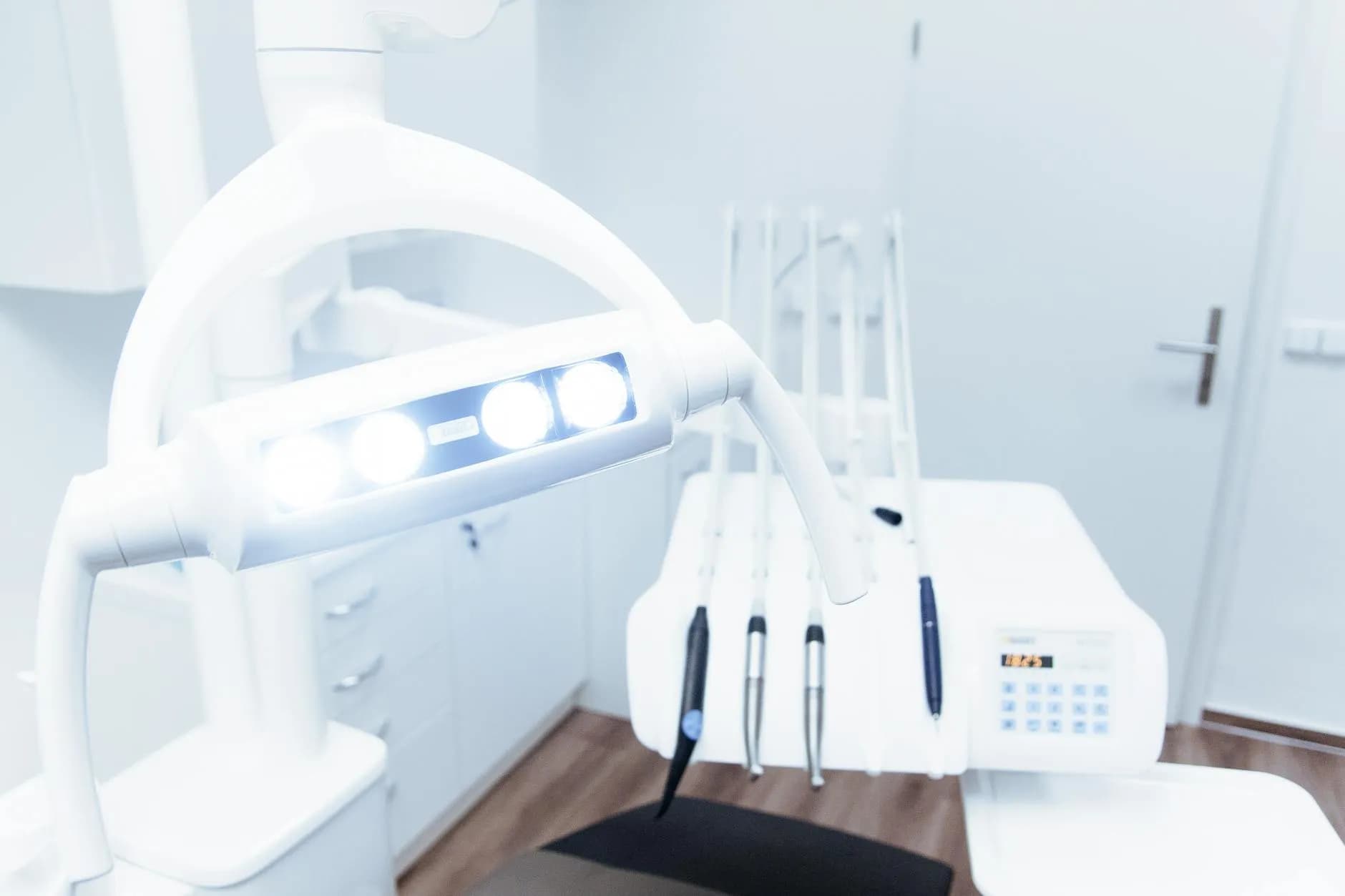
Foto av Cedric Fauntleroy · Pexels
The Dental Patient’s Online Journey
The modern dental patient’s journey begins long before they sit in your chair. A 2025 PatientPop survey found that 77% of patients use online search as their first step when looking for a new dentist, and 71% check online reviews before booking an appointment. This means your practice’s digital presence — your website, Google Business Profile, review profiles, and social media accounts, is your actual front door. Patients form their first impression of your practice based on what they find online, and that impression determines whether they call your office or scroll to the next listing.
The typical patient journey has four distinct stages: awareness (they realize they need a dentist), research (they compare options), decision (they choose a practice), and booking (they schedule an appointment). Your digital marketing strategy must address each stage with the right content in the right channel. A blog post about teeth whitening options captures awareness. A Google Business Profile with a 4.8-star rating and 200+ reviews wins the research stage. A website with clear pricing, insurance information, and a welcoming office tour video closes the decision. And an online booking system makes the final step frictionless.
Practices that understand and optimize for this journey consistently outperform those that rely on location alone. We work with dental practices across the country, and the data is clear: practices with a cohesive digital strategy fill their schedules 40% faster than those depending on walk-ins and referrals. The rest of this guide breaks down each component of a winning dental marketing strategy.
Website Design for Dental Practices
Your dental practice website needs to accomplish three things immediately: establish trust, communicate your services, and make booking effortless. Trust is established through professional design, real photography of your office and team, and visible credentials. Generic stock photos of smiling models in lab coats actively harm credibility, patients can tell the difference. Invest in a professional photoshoot that captures your actual office, equipment, and team members. This single investment pays dividends across every marketing channel for years.
Navigation should be intuitive enough that a first-time visitor can find any piece of information in two clicks or fewer. The primary navigation should include Services, About/Team, Patient Information (insurance, forms, FAQs), Reviews, and Contact/Book. Each service you offer, general dentistry, cosmetic procedures, orthodontics, implants, pediatric care, needs its own dedicated page with detailed descriptions, procedure timelines, and expected outcomes. A well-designed website that organizes this information clearly reduces phone call volume by answering common questions before patients need to ask.
Mobile performance is non-negotiable. Over 65% of healthcare-related searches occur on mobile devices, and Google’s mobile-first indexing means your mobile experience directly impacts your search rankings. Your site must load in under three seconds on a 4G connection, text must be readable without zooming, buttons must be large enough to tap accurately, and your phone number should be click-to-call. Test your site on at least five different devices before launch, and retest quarterly as browsers and operating systems update.
Online Booking Systems
Online appointment booking is the single most impactful feature you can add to your dental practice website. A 2025 Accenture study found that 68% of patients prefer to book healthcare appointments online, and practices with online booking see a 26% increase in new patient appointments compared to phone-only booking. The reason is simple: your phone lines are open eight hours a day, but patients search for dentists at all hours. A booking system that allows a parent to schedule their child’s cleaning at 10 PM on a Sunday captures appointments your front desk would never answer.
When selecting a booking platform, prioritize integration with your practice management system. Platforms like NexHealth, LocalMed, and Zocdoc sync directly with major dental PMS software including Dentrix, Eaglesoft, and Open Dental. This two-way sync ensures that online bookings appear in your schedule immediately, prevents double-booking, and allows you to control which appointment types and time slots are available online. Avoid systems that create a separate calendar, your front desk will spend more time reconciling schedules than they save.
Reduce booking friction to the absolute minimum. The ideal flow requires a patient to select a service type, choose a date and time, enter their name and contact information, and confirm, four steps, under two minutes. Every additional field, verification step, or account creation requirement reduces completion rates. Allow new patients to book without creating an account, and send intake forms via email after the appointment is confirmed rather than requiring them upfront.
Google Business Profile for Dentists
Your Google Business Profile is arguably more important than your website for local patient acquisition. When someone searches “dentist near me” or “emergency dentist [city],” Google displays the Local Pack, a map with three featured businesses, above all organic results. Appearing in that Local Pack drives more phone calls and website visits than any organic listing below it. Optimizing your profile is the single highest-return activity in local SEO for dental practices.
Complete every field Google offers. Beyond the basics of name, address, phone, and hours, add your services as structured categories, upload a minimum of 20 high-quality photos, write a 750-word business description incorporating your target keywords naturally, and enable messaging so patients can text your practice directly from Google. Post weekly updates about promotions, new services, or oral health tips . Google rewards active profiles with higher visibility. Practices that post at least once per week see 35% more profile interactions than those that do not.
Q&A management is an overlooked opportunity. Google allows anyone to ask and answer questions on your profile, and unanswered questions signal neglect. Proactively seed your Q&A section with the ten most common questions patients ask your front desk: insurance acceptance, parking availability, emergency appointment policy, sedation options, and payment plans. Answer each question thoroughly, incorporating relevant keywords. This not only helps patients but gives Google additional content to index for your profile.
Review Generation Strategies
Online reviews are the currency of trust in dental marketing. A BrightLocal study found that 87% of consumers read reviews for local businesses, and dental practices with fewer than ten reviews are filtered out by most patients during their research phase. The goal is not just accumulating reviews but building a systematic process that generates a steady stream of authentic, positive feedback. Sporadic bursts of five-star reviews followed by months of silence look suspicious to both patients and Google’s algorithm.
The most effective review generation strategy is the post-appointment text or email. Within one hour of a patient’s visit, send a brief message thanking them and providing a direct link to your Google review page. Timing matters enormously, the patient’s positive experience is fresh, and the convenience of a one-tap link removes friction. Platforms like Birdeye, Podium, and Weave automate this process by integrating with your PMS and triggering review requests automatically. Practices using automated review requests generate 3x to 5x more reviews than those relying on verbal requests.
Responding to every review — positive and negative, is mandatory. Thank positive reviewers by name and reference something specific about their visit. For negative reviews, respond professionally, acknowledge the concern, and offer to resolve it offline. Never argue, make excuses, or reveal protected health information. A thoughtful response to a negative review often impresses prospective patients more than the positive reviews surrounding it, because it demonstrates accountability and patient-first values.
Before-and-After Galleries
Before-and-after galleries are the most persuasive content format available to dental practices, particularly for cosmetic and restorative services. A patient considering veneers, teeth whitening, or Invisalign wants to see real results from real patients at your practice, but not manufacturer stock photos. Galleries that feature consistent lighting, standardized angles, and brief case descriptions convert browsers into booked consultations at rates 40% to 60% higher than service pages without visual proof.
Building a gallery requires a systematic photography protocol. Invest in a dental photography setup with a DSLR or mirrorless camera, a ring flash, and cheek retractors for intraoral shots. Photograph every cosmetic case at the start and completion of treatment using identical framing and lighting. Obtain written consent from patients to use their images on your website and social media, most patients are happy to agree when asked at the moment they are delighted with their results.
Organize your gallery by procedure type so visitors can find relevant cases quickly. Each case should include a brief narrative, the patient’s concern, the treatment plan, and the outcome, along with the before and after images side by side. This structure helps with social media marketing as well, since individual cases can be repurposed as Instagram carousels, Facebook posts, and TikTok transformations. A single compelling case can drive dozens of consultation requests when distributed across channels.
Content Marketing for Dental Practices
Content marketing for dental practices serves a dual purpose: it improves your search engine rankings and educates patients in a way that builds trust and reduces anxiety. Dental anxiety affects an estimated 36% of the population, and informative content that explains procedures, sets expectations, and demystifies dental care can be the factor that convinces an anxious patient to book with your practice instead of avoiding the dentist entirely.
Focus your content strategy on three categories: educational articles about common procedures and conditions, answers to frequently searched questions, and community-focused content that establishes local relevance. Topics like “What to Expect During a Root Canal,” “How Often Should Children Visit the Dentist?” and “Best Foods for Strong Teeth” attract consistent organic traffic and serve patients at the awareness stage of their journey. Each article should end with a clear call to action inviting readers to schedule a consultation or learn more about the related service.
Video content deserves special emphasis for dental practices. Office tour videos reduce new patient anxiety by showing them exactly what to expect before they arrive. Procedure explanation videos featuring your dentists build trust and demonstrate expertise. Patient testimonial videos provide social proof that text reviews cannot match. YouTube is the second-largest search engine in the world, and dental-related searches on the platform have grown 80% year-over-year since 2023. If you are not producing video content, you are missing a rapidly growing discovery channel.
Paid Advertising for Dental Practices
Paid advertising gives dental practices immediate visibility for high-intent searches that organic rankings take months to achieve. Google Ads campaigns targeting keywords like “dentist near me,” “emergency dental care [city],” and “cosmetic dentist [neighborhood]” capture patients at the moment they are ready to book. The average cost per click for dental keywords ranges from $4 to $12 depending on market competition, and the average cost per new patient acquisition through Google Ads is $150 to $300, a fraction of the lifetime value of a dental patient, which typically exceeds $10,000 over a decade.
Campaign structure determines success. Separate your campaigns by service category, general dentistry, emergency, cosmetic, orthodontics, with dedicated ad groups and landing pages for each. A search for “teeth whitening [city]” should land on your teeth whitening service page, not your homepage. This alignment between search intent, ad copy, and landing page content improves your Quality Score, lowers your cost per click, and increases conversion rates. Practices that use service-specific landing pages convert at 2x to 3x the rate of those sending all traffic to the homepage.
Do not overlook Meta Ads for awareness and retargeting. Facebook and Instagram ads are not where patients search for a dentist, but they are where patients can be reminded that they have been meaning to book a cleaning. Retargeting ads that follow website visitors across social media keep your practice top-of-mind and recover prospects who visited your site but did not book. Combine retargeting with a promotional offer, a free whitening consultation or a new patient special, and you create a compelling reason to return. For a comprehensive paid strategy tailored to your practice, reach out to our dental marketing team.
Klar til å vokse din nettvirksomhet?
Snakk med teamet vårt om prosjektet ditt. Gratis konsultasjon, ingen forpliktelser.
Gratis Konsultasjon